
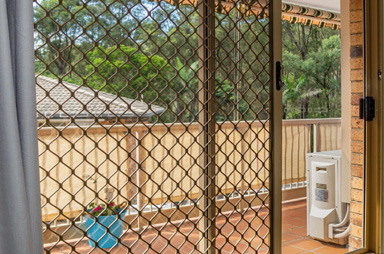
 Sliding doors are a defining feature of many Cape Town homes. From sea-facing apartments and garden flats to family houses built around patios and entertainment areas, they offer light, airflow, and a seamless connection between indoors and outdoors. In a city that values open living, they simply make sense. What’s easier to overlook is that sliding doors also introduce specific security challenges. Large glass panels, lightweight frames, and simple sliding mechanisms can make them more vulnerable than traditional hinged doors if they’re not properly reinforced. Our Cape Town locksmith experts focuses on practical, real-world sliding door security solutions suited to Cape Town homes—ways to reduce risk without turning a design feature into a daily concern.
Why are sliding doors considered a security risk in Cape Town homes?
Unlike standard doors, sliding doors don’t close into a solid frame in the same way. Many rely on basic latches that are designed for convenience rather than resistance. With enough pressure, those mechanisms can sometimes be forced or bypassed, particularly in older installations. The layout of many Cape Town properties adds another layer to the issue. Sliding doors often open onto courtyards, balconies, or back gardens that aren’t visible from the street. That privacy is part of the appeal, but it can also give someone time and cover to work without being noticed. Once you understand how and where these doors are vulnerable, it becomes much easier to secure them properly.
What are the most common weaknesses in standard sliding door setups?
Factory-fitted locks are a common weak point. They’re usually sufficient for everyday use, but they’re not designed to withstand determined force. Over time, wear on tracks and rollers can make doors easier to manipulate, especially if alignment shifts slightly or frames begin to loosen. Visibility also plays a role. Sliding doors tend to offer an uninterrupted view into living spaces, which can unintentionally advertise valuables or make it obvious when a home is unoccupied. On their own, none of these issues may seem serious, but together they can make sliding doors an attractive target.
Which locking options work best for sliding doors in Cape Town?
Effective sliding door security usually relies on layering, rather than a single solution. Mortise locks are often chosen for their strength and clean installation, as they sit within the door frame itself. When fitted correctly, they offer far greater resistance than surface-mounted alternatives, though aluminium frames—common in Cape Town homes—require precise workmanship. Keyed sliding door locks are another popular option, adding controlled access without changing the look of the door. Many homeowners also combine these with patio locks or auxiliary locks fitted at the top or bottom of the frame to prevent lifting or forced movement. Even a simple sliding bolt can be effective when used as part of a broader setup, rather than as the only line of defence.
Are smart locks suitable for sliding doors in Cape Town properties?
Smart locks have become more common as homes adopt connected technology. For sliding doors, these systems can offer keyless entry, activity alerts, and remote locking—features that are particularly useful for people who travel frequently or manage rental properties. That said, smart locks are only as good as their installation. Sliding doors require proper integration with the frame and locking mechanism to function reliably. When installed professionally, smart locks can add both convenience and security, but they shouldn’t replace basic physical reinforcement.
How can you stop sliding doors from being lifted off their tracks?
Lifting the door out of its track is one of the most common methods used to bypass sliding doors. Anti-lift devices and track blockers are designed specifically to prevent this by limiting vertical movement. Maintenance matters just as much as hardware. Dirt, corrosion, or worn rollers can affect how securely a door sits in its frame. In coastal parts of Cape Town, salt air can speed up this wear, making regular cleaning and inspection especially important for long-term security.
Does upgrading the glass really make a difference?
Glass is often seen as the weakest part of a sliding door, but not all glass performs the same way. Laminated glass holds together when broken, making it far harder to create an opening large enough to enter. Tempered glass, while not unbreakable, is significantly stronger than standard panes. Security film offers another layer of protection by keeping shattered glass intact after impact. These upgrades don’t make a door invulnerable, but they do slow down intrusion attempts—often enough to discourage someone from continuing.
Can physical barriers improve sliding door security?
Physical barriers like security bars or adjustable door jammers provide straightforward, effective reinforcement. Even if a lock is compromised, these additions physically prevent the door from sliding open. They’re especially useful for doors that aren’t used regularly or as added protection overnight. Their visibility also plays a role, signalling that the property is actively secured rather than relying on a single lock.
Do alarms and sensors help protect sliding doors?
Alarms and sensors don’t stop entry on their own, but they change the dynamics of an attempted break-in. Door sensors trigger alerts when movement or tampering occurs, drawing attention to activity that would otherwise go unnoticed. When integrated with a broader alarm system or smart home setup, these sensors allow homeowners to monitor access remotely. Used alongside solid locks and reinforcements, they add an important layer of early warning.
How does privacy affect sliding door security?
Large glass panels can make interiors highly visible, particularly at night when lights are on inside. Valuables, electronics, or even signs that no one is home can attract unwanted attention. Simple privacy measures—such as curtains, blinds, frosted finishes, or tinted film—reduce this exposure without eliminating natural light. Limiting what can be seen from outside helps your home blend in rather than stand out.
Why are regular checks important for sliding door security?
Sliding door components wear gradually, which makes problems easy to miss. Loose fittings, misaligned frames, or doors that no longer close flush can quietly weaken security over time. Routine checks help catch these issues early. A professional locksmith can assess how everything fits together, recommend adjustments, and ensure upgrades are working as intended—particularly in older homes or those exposed to Cape Town’s changing weather conditions.
Why does professional installation matter for sliding door security?
Even high-quality security products won’t perform properly if they’re incorrectly fitted. Sliding doors require accurate alignment, compatible hardware, and careful installation to avoid creating new weak points. A local locksmith understands the door types and building styles common in Cape Town and can recommend solutions that balance security with usability and appearance. Professional installation ensures upgrades strengthen the door as a whole, rather than functioning in isolation.
Securing Sliding Doors Without Compromising Lifestyle
Sliding doors are meant to enhance how you live in your home, not limit it. With the right combination of locks, reinforcements, glass protection, and monitoring, they can be just as secure as any other entry point. By addressing common vulnerabilities and making thoughtful upgrades, Cape Town homeowners can protect their properties while keeping the light, openness, and flow that sliding doors are known for. Good security doesn’t change your lifestyle—it simply allows you to enjoy it with greater confidence and peace of mind.
FAQs
Are sliding doors easier to break into than normal doors?
Many sliding doors are more vulnerable if they rely on basic latches or worn tracks. With the right locks and reinforcement, they can be just as secure as hinged doors.
What is the best lock for sliding doors in Cape Town homes?
The best lock depends on the door frame and layout, but mortise locks and keyed sliding door locks are commonly used. These are often combined with auxiliary locks for added protection.
Can sliding doors be lifted off their tracks?
Yes, if anti-lift protection isn’t installed, some sliding doors can be removed from the track. Anti-lift devices and well-maintained tracks greatly reduce this risk.
Are smart locks safe for sliding doors?
Smart locks can be safe when they’re compatible with the door and installed correctly. They work best as part of a layered security approach rather than on their own.
Does security film actually stop sliding door break-ins?
Security film doesn’t make glass unbreakable, but it helps hold shattered glass together. This slows down entry attempts and may cause intruders to abandon the effort.
How do I secure sliding doors without installing bars or gates?
Stronger locks, reinforced glass, anti-lift devices, and door sensors all improve security without affecting the door’s appearance. These options are popular in homes focused on aesthetics.
Do sliding doors need special maintenance for security?
Yes, worn rollers, misaligned frames, and dirty tracks can weaken security over time. Regular checks help ensure doors close properly and locks work as intended.
Are aluminium sliding doors secure enough for homes?
Aluminium sliding doors can be secure if fitted with appropriate locks and hardware. Professional installation is important to avoid weak points in the frame.
Can burglars break sliding door glass easily?
Standard glass can be broken, but laminated or tempered glass is much harder to penetrate. Upgrading the glass significantly improves resistance to forced entry.
Should sliding doors be connected to an alarm system?
Connecting sliding doors to alarms or sensors adds early warning and increases deterrence. This works best when combined with physical security measures.
Do sliding doors increase home insurance risk?
Poorly secured sliding doors may be viewed as a higher risk by insurers. Improving locks and glass can help reduce exposure and support insurance requirements.
Is professional installation necessary for sliding door locks?
Professional installation ensures locks are aligned correctly and suited to the door frame. Poor installation can reduce effectiveness and create new vulnerabilities.