
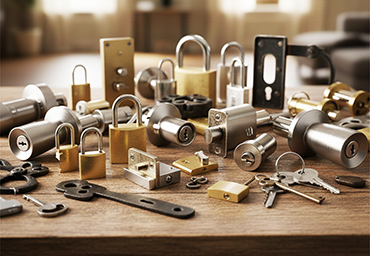
 Picking the right lock for your home or business in Cape Town is more than grabbing the first one you see. A suitable lock should match your property’s security needs, lifestyle, and insurance requirements, while giving you peace of mind. With many options available, understanding the different types, features, and standards will help you make the best choice for your situation.
-
Types of Locks for Homes and Businesses
Not all locks are created equal. Deadbolts are widely used for external doors because of their strong resistance to forced entry. Mortice locks, installed within the door’s edge, remain a traditional option, though they are less common in South Africa. Night latches provide basic security and are often paired with other locks on wooden doors. Euro cylinder locks are popular on uPVC and metal doors, but inexpensive models can be prone to snapping, so anti-snap versions are a safer choice.
For businesses needing controlled access, digital keypad locks or keycard systems are frequently used. Smart locks offer convenience like remote access and keyless entry, but they are not automatically more secure than well-installed deadbolts. Front doors in high-crime Cape Town areas need stronger protection than internal doors, while biometric locks that use fingerprints or facial recognition offer keyless entry but should always have a mechanical backup.
-
Reputation of Lock Brands
Trusted brands like Yale, Chubb, ERA, and Union are well-established in South Africa and known for quality and reliability. Choosing reputable brands ensures you get locks tested to meet security standards and supported by warranties. These brands often invest in durable materials and anti-tampering technology, which can help deter potential intruders.
When evaluating brands, look for certifications, positive customer reviews, and a proven track record in the local market. A reputable brand usually indicates durable, tamper-resistant locks suitable for critical entry points.
-
Warranty Considerations
Lock warranties provide valuable peace of mind, typically covering manufacturing defects or faults under normal use. Damage from misuse, wear, or incorrect installation is usually excluded. Warranty periods can range from one year to lifetime coverage on premium models.
Longer warranties often reflect the manufacturer’s confidence in their product but do not always guarantee higher quality. Choosing a lock with a good warranty can save costs if issues arise shortly after purchase.
-
Pricing Your Lock Purchase
In Cape Town, lock prices vary depending on type, security level, and brand. Basic mechanical locks can cost a few hundred rand, while high-security deadbolts or euro cylinders may range from R1,000 to R3,000. Smart locks with advanced features typically start around R3,000 and increase based on functionality.
Very cheap locks can be risky, potentially offering poor resistance to common burglary methods and sometimes invalidating insurance coverage. Price often correlates with security, but not always—some expensive smart locks prioritise convenience over physical strength, while mid-range mechanical locks can offer solid protection. Consulting a local locksmith can help you balance budget and security needs effectively.
-
Security Ratings and Standards
Locks in South Africa are often measured against standards similar to the British BS3621, which many insurance policies require for external doors. Certified locks are designed to resist picking, drilling, and other common attacks. While not all locks in the local market carry this certification, labels like “insurance approved” or “high security” are a good guideline.
International standards such as ANSI or UL are less common locally but can serve as a benchmark for imported locks. Meeting security standards is also important for insurance claims, so always check your policy or consult your insurer to ensure compliance.
-
Lock Compatibility with Doors
Your chosen lock must fit your door’s type and thickness. Measure door thickness and lock recess before buying. Wood doors generally accommodate mortice deadlocks and night latches, while metal or uPVC doors often use euro cylinders, ideally anti-snap for extra security.
Internal doors usually require simpler locks. Older Cape Town homes or reinforced office doors may need extended cylinders or custom fittings. Smart locks can sometimes be fitted to older doors but may require adapters or professional installation, especially when retrofitting existing locks.
-
Smart Lock Features and Connectivity
Smart locks provide features like remote access, temporary digital keys, and integration with home automation systems like Google Home or Alexa. Battery life, emergency mechanical override, and auto-lock functions are important considerations.
They can be secure if they use strong encryption and are updated regularly, but they are still vulnerable to hacking if neglected. Pairing smart locks with robust mechanical locks creates layered security, and securing your Wi-Fi network while understanding data storage policies ensures better protection.
-
Insurance Requirements in South Africa
Many South African insurers require front and back doors to have locks meeting recognised security standards to qualify for burglary cover. Locks certified to BS3621 or labelled “insurance approved” are commonly preferred.
Using the correct lock can reduce premiums and prevent claim disputes following a break-in. While insurers rarely mandate specific brands, they may specify lock types or security ratings. If you install smart locks, confirm with your insurer that coverage remains valid, especially if the system lacks a mechanical key backup.
Conclusion
Choosing the right lock in Cape Town means balancing security needs, budget, door type, and insurance requirements. Whether opting for a BS3621-certified deadbolt, a modern smart lock, or a reinforced euro cylinder, the goal is reliable protection.
Understanding lock types, trusted brands, certifications, compatibility, and insurance rules will help you make an informed choice. Consulting a professional locksmith can ensure your locks are properly installed, giving you peace of mind that your home or business is safe and secure.
FAQs
What types of locks are best for homes in Cape Town?
Deadbolts are generally the most reliable for external doors due to their resistance to forced entry. Euro cylinders and mortice locks are also popular depending on door type, while night latches can provide basic secondary security. Always consider your neighbourhood risk level when choosing.
Which locks are recommended for commercial properties?
Businesses often need higher security solutions like high-security deadbolts, access control systems, and keycard or digital keypad locks. These locks allow controlled access and can integrate with security systems for monitoring. Selecting locks that meet local safety standards is essential.
Are smart locks more secure than traditional deadbolts?
Smart locks offer convenience with features like remote access and temporary codes but aren’t inherently more resistant to physical attacks. Pairing a smart lock with a quality deadbolt provides both convenience and robust security. Always choose a trusted brand with strong encryption.
How do I choose a reputable lock brand?
Look for brands with certifications, good local reviews, and a proven history in South Africa. Trusted names like Yale, Chubb, ERA, and Union have long-standing reputations for durability and tamper resistance. A reputable brand is more likely to withstand burglary attempts.
What should I know about lock warranties?
Warranties usually cover manufacturing defects but not damage from misuse or improper installation. Longer warranty periods often reflect the manufacturer’s confidence, but always read the fine print. Choosing a lock with a solid warranty can save money if problems arise early.
How much do high-security locks cost in Cape Town?
High-security deadbolts or anti-snap euro cylinders typically range from R1,000 to R3,000, depending on the brand and features. Smart locks can start around R3,000 and increase with added functionality. Prices reflect both material quality and security level.
What do insurance-approved locks mean?
Insurance-approved locks meet standards, such as BS3621, that insurers recognise for burglary protection. Using these locks ensures your policy remains valid and can prevent claim issues after a break-in. Always check your insurance requirements before purchasing.
How do I know if a lock fits my door type?
Check your door thickness and the existing lock recess before buying a lock. Wood doors typically use mortice locks or night latches, while metal and uPVC doors often require euro cylinders. For thicker or reinforced doors, you may need extended cylinders or customised fittings.
Can smart locks be installed on older doors?
Yes, but older doors may require adapters or professional installation to fit smart locks securely. Retrofitting ensures the lock functions properly and maintains security. Consulting a locksmith is recommended to avoid installation issues.
How do I protect smart locks from hacking?
Use strong, unique passwords and keep the lock’s firmware updated regularly. Secure your home Wi-Fi and consider two-factor authentication where possible. Pairing a smart lock with a mechanical deadbolt adds an extra layer of security.
Will using the wrong lock affect my insurance coverage?
Yes, if your lock doesn’t meet your insurer’s standards, claims may be denied after a burglary. Always check that your chosen lock is “insurance approved” or meets the required security rating. Documenting your installation can also help in case of claims.
When should I consult a professional locksmith?
Hire a locksmith when installing high-security or smart locks, retrofitting older doors, or if you’re unsure about compatibility. Professionals ensure proper installation and can advise on the best lock type for your property and insurance requirements. This helps avoid mistakes that compromise security.