
What should you do to protect your home after moving in?
 Moving into a new home is exciting, but it’s also the perfect time to prioritise security. In South Africa, where safety is a key concern, taking proactive steps can save a lot of stress later. One of the very first things to do is change the locks on all exterior doors. As a locksmith with years of experience, I can’t stress enough how crucial this is—you never know who might still have keys from previous owners or tenants. Whether you rekey the existing locks or replace them completely, using a professional locksmith in Cape Town guarantees peace of mind. Decide whether all doors need new locks or just the main entry points, based on your security needs and budget.
Securing doors is just the start. Take a close look at your property to find potential weak spots. Pay attention to poorly lit pathways, windows with outdated locks, and sliding doors, which are often targeted by intruders. Strengthen these areas with quality deadbolts, window locks, and security bars or dowels in sliding door tracks. Applying shatter-resistant film to glass windows can also make it much harder for anyone to break in.
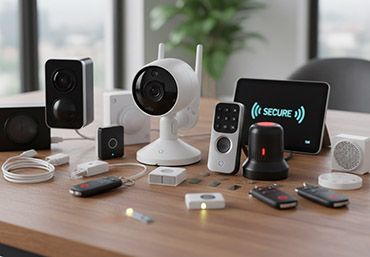
A modern security system is another essential investment. Many options now include cameras, motion detectors, and alarms that you can monitor from your phone. Smart home devices like video doorbells and smart locks not only make life easier but let you control access in real time. Don’t forget to secure your Wi-Fi network, especially if your system is internet-based. Use strong passwords, update them regularly, and ensure your router firmware is current to prevent vulnerabilities.
Good lighting is another simple but effective deterrent. Motion-sensor lights by doors, pathways, and other outdoor areas make it harder for intruders to hide. Well-lit interiors and exteriors add an extra layer of security by removing dark spots around your home.
Even landscaping plays a role. Overgrown bushes and trees can give intruders cover, so keep plants trimmed. Thorny shrubs near windows or fences act as natural barriers while still looking attractive. A clear, open yard makes your home less appealing to opportunistic criminals.
Changing Locks
Why is this a must after buying a home?
Changing the locks after moving in is critical, especially in Cape Town. You can’t know who might still have keys—former owners, tenants, or even contractors. By replacing or rekeying locks, you control exactly who can access your property.
Updating locks not only gives peace of mind but also improves overall security. Older locks are easier to pick or bypass, whereas modern locks—including smart versions—offer features like keyless entry, remote monitoring, and better durability. Focus on all exterior doors: front, back, garage, and secondary entrances like side or basement doors. If your budget is limited, prioritise main doors first but plan to upgrade all locks eventually for full security.
Neglecting to change locks carries risks. Anyone with an old key could enter unnoticed, potentially leading to theft or vandalism. In areas with higher crime rates, this is particularly concerning. Dispose of old keys responsibly to prevent them from falling into the wrong hands.
Costs and options for changing locks
Lock costs vary depending on type and whether you hire a professional. In Cape Town, rekeying is often cheaper (around R250–R500 per lock), while full replacements range from R800–R3,000 per lock, depending on brand and security level. Upgrading to smart or high-security locks may cost more but adds features like keyless access and smartphone integration.
DIY installation is possible for simple locks, but a professional ensures proper fitting and maximum security. A locksmith can also advise on the best options for your home, balancing affordability, durability, and modern technology.
Assessing Your Neighborhood and Home Vulnerabilities
What should you know about your surroundings and property?
Understanding your area’s security landscape is essential. Start by checking local crime stats, often available on police or community safety websites. Neighbours can also offer insights and tips. Many South African communities have watch groups that add another layer of protection.
Homes themselves can have weak points: old door hardware, flimsy window locks, and poor outdoor lighting are common examples. Reinforce doors with deadbolts, secure all windows, and install motion-sensor lights to remove dark spots. Sliding doors benefit from security bars or dowels to prevent forced entry.
Landscaping matters too. Trim overgrown trees or shrubs, and plant thorny bushes near windows or fences. This creates natural barriers and discourages intruders. Even if your home is new, proactively addressing these vulnerabilities enhances safety and builds a sense of community awareness.
Smart Security and Insurance Considerations
How can smart devices and insurance help protect your home?
Smart home technology is a convenient and effective way to enhance security. Video doorbells let you see and communicate with visitors from your phone, even when away. Smart locks offer keyless entry, track access, and allow temporary codes for guests or service providers. Security cameras, both indoor and outdoor, send alerts for unusual activity in real time.
Safety also includes fire protection. Smart smoke detectors notify you immediately of potential fires, wherever you are.
From an insurance perspective, securing your home matters. Many South African providers require basic safety measures, like changing locks, before claims for theft or vandalism can be honoured. Upgrading locks and adding smart devices can also reduce your risk profile and may lead to lower premiums. By combining smart tech, practical safety measures, and insurance requirements, you create a worry-free environment for your family.
Conclusion
Home security is about more than just locking doors—it’s about creating a safe space where you can truly relax. From day one, actions like changing locks, installing modern security systems, and addressing vulnerabilities help you start off safely.
Whether it’s reinforcing entry points, using smart devices, or connecting with neighbours, every small step strengthens your home’s safety. In Cape Town, these measures are vital for protecting your property and giving you peace of mind. Smart technology—video doorbells, smart locks, motion-sensor lights—makes life easier while keeping your home secure.
Ultimately, securing your new home is about feeling confident and at ease in your space. With the right mix of practical upgrades and smart choices, you’ll enjoy a home that is safe, welcoming, and fully yours. Here’s to a secure and happy start in Cape Town!
FAQs
Why is it important to change the locks when moving into a new home?
Changing locks ensures that only you and trusted individuals have access to your home. Previous owners, tenants, or contractors may still have keys, which could be a security risk.
Should I replace all the locks or just focus on main entry points?
Focus first on main entry points like front and back doors if budget is tight. Ideally, all exterior doors should be upgraded over time for complete security.
What types of locks offer the best security for my home?
High-quality deadbolts and modern smart locks provide superior protection. Look for durable, tamper-resistant options that suit your security needs and lifestyle.
How much does it cost to change or upgrade locks in Cape Town?
Rekeying a lock typically costs around R250–R500, while full replacement ranges from R800–R3,000 per lock. Smart or high-security locks may cost more but offer extra features and convenience.
What are the most common vulnerabilities in a new home?
Weak door hardware, flimsy window locks, poor lighting, and sliding doors are common targets for intruders. Identifying and reinforcing these areas greatly improves safety.
How can I make sliding doors and windows more secure?
Use security bars or dowels in sliding door tracks to prevent forced entry. Reinforce windows with strong locks and consider shatter-resistant film for added protection.
What smart home security devices are worth investing in?
Video doorbells, smart locks, and security cameras are highly effective and easy to monitor remotely. Motion sensors and smart smoke detectors also add extra safety layers.
How can outdoor lighting improve my home’s safety?
Motion-sensor lights eliminate dark corners where intruders could hide. Well-lit pathways and entry points act as a strong deterrent.
What role does landscaping play in home security?
Trim overgrown bushes and trees that could provide cover for burglars. Thorny shrubs near windows or fences act as natural barriers without compromising aesthetics.
How do smart locks and security cameras integrate with home insurance requirements?
Many insurers require basic security measures, like updated locks, for theft coverage. Installing smart devices can reduce risk and may lower insurance premiums.
Are there affordable ways to secure my home without installing a full security system?
Yes—replacing locks, adding motion-sensor lights, reinforcing windows, and using security bars can improve safety on a budget. Small measures still make a big difference.
How can I assess the safety of my neighborhood before moving in?
Check local crime statistics online and talk to neighbours for firsthand insights. Community watch groups and local forums can also provide valuable safety information.