
 Whether you own your property or are renting in Cape Town, home safety should never be an afterthought. From peaceful residential areas to more active neighbourhoods, protecting your home goes beyond stopping intruders—it’s about feeling secure in your own space. Unfortunately, many homeowners and tenants make small, often unnoticed errors that increase their risk. The upside is that once these issues are identified, most of them are straightforward to correct.
Below are ten frequent home security mistakes seen in Cape Town, along with practical ways to prevent them.
Neglecting to Lock Doors
It may sound unbelievable, but a large number of break-ins in Cape Town happen simply because a door was left unlocked. Global crime research frequently shows that roughly one-third of burglars enter through the front door, often without needing to force it open.
Morning routines can be hectic—juggling work, school runs, and daily errands makes it easy to forget a simple lock. The same applies late at night when exhaustion sets in. The solution is consistency: locking doors should become automatic. Installing a solid deadbolt or a smart locking system allows you to verify door status remotely, offering extra reassurance when you’re away.
Windows Left Vulnerable
Unlocked windows present just as much risk as unlocked doors. While upper-storey windows may seem inaccessible, experienced intruders are often surprisingly creative. During Cape Town’s warmer seasons, open windows are tempting for airflow. If ventilation is necessary, use window restrictors or locking mechanisms that allow air without sacrificing safety. Before leaving home, make it a habit to inspect every window—both upstairs and down.
Keeping a Spare Key Outdoors
Hiding a spare key under a mat or plant pot feels practical—until you realise burglars check these exact spots first. No hiding place around your home is truly secret anymore. A safer alternative is giving a spare key to someone you trust nearby. Another reliable option is installing a secure combination lockbox in a discreet but fixed position on your property.
Too Much Privacy Can Backfire
High walls, solid gates, and dense hedging are common features in Cape Town homes and do offer protection. However, excessive screening can unintentionally create hidden areas where intruders can move unnoticed. Striking the right balance is essential. Landscaping and fencing should allow visibility near entry points. Motion-activated lights in concealed areas help eliminate cover and draw attention to suspicious movement.
Inadequate Outdoor Lighting
Darkness is an ally to criminals. Poorly lit driveways, entrances, and gardens make it easier for someone to approach unseen. Many Cape Town properties have spacious yards, making proper lighting even more important. Motion-sensitive lights near doors and pathways are highly effective and energy-efficient. Supplement these with permanent lighting to ensure no part of your home is left in total darkness.
Displaying Valuables in Plain Sight
If expensive items like televisions, laptops, or jewellery are visible from outside, they can attract unwanted attention. Opportunistic criminals often act on what they can easily see. While you don’t need to keep curtains closed all day, repositioning furniture or storing valuables away from windows makes a difference. Drawing blinds in the evening or when leaving home prevents your interior from becoming a display case.
Skipping Cameras or Video Doorbells
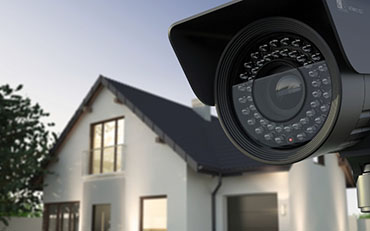
Security cameras do more than record incidents—they actively discourage crime. In Cape Town, visible cameras or smart doorbells, especially when clearly marked, can deter potential intruders before they act. Today’s systems are accessible and easy to manage, with mobile access and cloud storage. Placing cameras at key access points such as doors and driveways significantly reduces risk.
Poor Placement of Alarm Panels
Installing an alarm system is a great step, but placement matters. If the control panel is visible from outside, someone can easily see whether the system is armed. That information can be exploited. The panel should be positioned somewhere discreet and central within the home. If relocation isn’t possible, adding an external indicator that doesn’t reveal system status can help.
Believing Daytime Break-ins Don’t Happen
There’s a common misconception that burglaries only occur at night. In reality, many happen during daylight hours—typically between midday and late afternoon—when homes are empty. In Cape Town, leaving doors or windows open for a quick daytime errand can be just as dangerous. Your security habits should remain consistent regardless of the time. Always lock up and activate alarms, even for short absences.
Overlooking Structural Damage
Loose hinges, warped frames, or doors that don’t close properly are serious vulnerabilities. Many break-ins begin with entry points that require minimal force. Any damage should be repaired immediately, whether that means tightening fittings, replacing locks, or upgrading to stronger materials. Conducting routine checks, especially after severe weather, helps identify issues early.
Making Home Security a Daily Priority
The reassuring reality is that improving your home’s security doesn’t demand major renovations. It’s usually about forming reliable habits—locking doors, maintaining fixtures, and removing easy opportunities for crime. Cape Town is a dynamic city with diverse communities, but vigilance is still essential. By incorporating these ten practices into your routine, you’re taking effective, manageable steps to safeguard your home and your peace of mind.
FAQs
What types of locks are best for strengthening door security?
Durable deadbolts, multi-point locking systems, and encrypted smart locks offer excellent protection. Look for products approved by the South African Bureau of Standards (SABS).
How can window security be improved?
Fit windows with locks or restrictors and consider laminated or shatter-resistant glass. Strengthening frames also makes forced entry more difficult.
What’s a safer alternative to hiding a spare key outside?
Give a spare key to a reliable neighbour or family member, or install a discreet wall-mounted combination lockbox.
Which lighting options work best for home security?
Motion-activated LED lights are effective and economical. Combine them with permanent lighting around entrances for continuous visibility.
How do I stop burglars from seeing valuables through windows?
Close blinds when you’re out, especially at night, and arrange furniture so valuable items aren’t visible from outside.
Why are motion-activated lights useful for security?
They light up immediately when movement is detected, deterring intruders while saving energy by operating only when needed.
Where should an alarm system control panel be placed?
Install it in a central location that isn’t visible from outside. This prevents outsiders from checking its status.
Are break-ins more common during the day or night?
Many occur during the day, particularly between noon and 4pm, when homes are often unoccupied.
What should I do if I notice damage to doors or windows?
Fix or replace them as soon as possible. Even small defects can become easy access points.
What are affordable ways to improve home security?
Consistently lock doors and windows, use light timers, trim overgrown plants, and participate in neighbourhood watch initiatives.
How can I build a reliable home security routine?
Develop daily habits like checking all entry points before leaving or sleeping. A quick evening walkthrough helps prevent mistakes.
What are effective methods for hiding valuables?
Keep smaller items in drawers or safes and store jewellery out of sight. Position larger valuables away from windows to reduce visibility.