
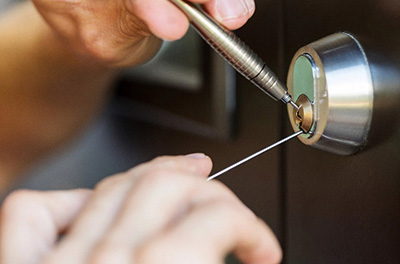
 Few things cause panic quite like being locked out of a safe. Whether it’s a forgotten combination, a keypad that suddenly stops responding, or a key that’s gone missing, the moment you realise you can’t get in tends to hit hard. Safes usually hold items that matter—important documents, cash, firearms, jewellery, or things with personal value that can’t easily be replaced.
What makes safe lockouts especially stressful is the feeling that you should be able to fix it yourself. After all, the safe is yours. But unlike a jammed door or a stuck drawer, safes are designed to resist exactly that kind of force. Acting too quickly or trying the wrong approach can turn a manageable situation into an expensive one.
This guide walks through the most common questions people ask when they’re locked out of a safe, explains what’s really going on behind the scenes, and helps you understand when it’s time to call in professional safe technician.
What should I do first if I’m locked out of my safe?
The most important thing to do is… very little, at least at first. It’s natural to start twisting dials harder, pressing buttons repeatedly, or pulling on the handle to see if it “gives”. Unfortunately, those instinctive reactions often make things worse. Many safes are designed to lock down further after multiple incorrect attempts. Electronic safes, in particular, may enter a timed lockout mode or trigger internal protections that prevent further input. Mechanical safes can also suffer internal misalignment if forced.
Before doing anything else, take a step back. Check whether anything obvious has changed—new batteries recently installed, a code that may have been altered, or a keypad that feels different than usual. If nothing stands out, resisting the urge to experiment is often the smartest move.
What happens if I’ve forgotten my safe combination?
Forgetting a safe combination is incredibly common, especially when a safe isn’t used every day. Combinations are often written down and misplaced, remembered incorrectly, or confused with other codes over time. What happens next depends heavily on the safe itself. Some models allow combinations to be retrieved or reset under specific conditions, while others do not. In many cases, the safe must first be opened before any reset can take place. This is where professional experience matters. A locksmith can identify whether your combination can be recovered, whether the lock allows a reset, or whether another method is needed. Guessing or repeatedly trying variations of the code rarely ends well.
What kind of safe lock do I have, and why does it matter?
Safes come with a surprising variety of locking systems, and the type you have plays a major role in how a lockout is handled. Mechanical dial safes behave very differently from digital keypad safes, and biometric models introduce another layer entirely.
Mechanical safes rely on precise internal alignment, while electronic safes depend on power, circuitry, and programming. Key-operated safes bring their own challenges if the key is lost or broken. Each system fails in different ways, and each requires a different approach. You don’t need to identify the lock type yourself with certainty, but understanding that not all safes are equal helps explain why advice online is often inconsistent. What works for one safe can permanently lock another.
Is it possible to reset a safe combination after a lockout?
In some situations, yes—but only once access has been properly restored. Many safes are designed so that combinations can only be changed while the door is open, which is a deliberate safety feature. Attempting to reset a combination without proper access or knowledge can trigger internal lock failures or void manufacturer support. This is especially true for digital safes with internal programming limits. A locksmith can advise whether your safe supports combination changes and ensure that the reset is done correctly, so you’re not facing the same problem again in a few months’ time.
How are old safes opened when keys or codes are missing?
Older safes often come with their own set of challenges. They may lack serial numbers, documentation, or modern override options. Inherited safes and second-hand purchases are especially prone to lockout issues. That said, older doesn’t always mean impossible. Many traditional safes use mechanical systems that experienced Cape Town locksmiths understand well. In some cases, these safes can be opened without damage using specialist techniques developed over decades. Patience is key here. Old safes reward careful handling, and rushing the process can destroy mechanisms that are otherwise serviceable.
Are there override codes for safes?
This is one of the most common questions people ask—and one of the most misunderstood topics. While some safes do have override options, there is no universal master code that opens all safes. Override codes, when they exist, are manufacturer- and model-specific. They’re also closely controlled for obvious security reasons. Claims found online about “secret codes” should be treated with caution. A locksmith can confirm whether an override feature applies to your safe and whether it can be accessed legitimately. If not, they’ll advise on the next safest option.
When does a safe need to be drilled to open it?
Drilling is often seen as the worst-case scenario, but it’s not always as destructive as people imagine. It’s used when internal components have failed or when no non-invasive options remain. When drilling is required, it’s done with precision and purpose, not force. The goal is to access the locking mechanism with minimal impact, allowing for repairs afterward. In many cases, the safe can continue to be used once the lock is replaced. A professional will always consider drilling as a last resort, not a default solution.
Can a locksmith open a safe without damaging it?
In many cases, yes—especially when the issue is related to forgotten combinations, minor mechanical faults, or electronic errors. Non-destructive entry is always the preferred outcome. That said, no ethical locksmith will promise zero damage in every scenario. Some safes are designed to sacrifice components to protect their contents. What matters is choosing the approach that minimises long-term cost and risk. An experienced locksmith knows when to persist and when to change tactics.
A Measured Approach Makes All the Difference
Remember: being locked out of a safe feels urgent, but it rarely benefits from urgency. The safest outcomes come from patience, understanding the type of safe involved, and knowing when to stop experimenting. Most safe lockouts can be resolved cleanly and professionally, often without lasting damage. The key is recognising that safes are engineered systems, not puzzles to be forced. With the right help, access can usually be restored—and future lockouts avoided.
If you’ve read this far, you might also be keen to read our post on safe opening costs.
FAQs
Can entering the wrong code too many times make a safe harder to open?
Yes, repeated incorrect attempts can complicate things. Many electronic safes activate temporary lockout modes after multiple failed entries, while mechanical safes can suffer internal misalignment if forced or rushed.
Why do electronic safes sometimes stop responding during a lockout?
Electronic safes rely on power and internal circuitry, so issues like low batteries, worn keypads, or internal faults can cause them to appear unresponsive. In some cases, the safe is deliberately preventing further input as a security measure.
Should I replace the batteries in a digital safe if it won’t open?
Replacing the batteries can help if power is the issue, but it should be done carefully and without repeated code attempts. If the safe still doesn’t respond, continuing to experiment can make the situation worse.
How can I tell what type of lock my safe has?
Most safes fall into mechanical dial, digital keypad, biometric, or key-operated categories. Even if you’re unsure, a locksmith can usually identify the lock type quickly by examining the safe and its behaviour.
Can a forgotten safe combination be recovered without opening the safe first?
In some cases, yes—but it depends entirely on the make and model of the safe. Many safes require the door to be open before any reset or recovery is possible, which is why professional assessment matters.
Are older safes more complicated to open than modern ones?
Older safes can be more challenging due to wear, missing documentation, or outdated mechanisms. However, many traditional safes respond well to experienced handling and can often be opened without damage.
Do some safes include legitimate override options?
Some modern safes do have manufacturer-approved override features, but these are model-specific and tightly controlled. A locksmith can confirm whether an override applies to your safe and whether it can be used legally.
When is drilling the only way to open a safe?
Drilling is usually considered only when internal components have failed or no non-destructive options remain. It’s a precise method used to regain access while minimising long-term damage.
Can a safe still be used after it has been drilled open?
In many cases, yes. Once access is restored, the lock or damaged components can often be repaired or replaced so the safe remains functional.
How can I be sure a safe can be opened without causing damage?
No method comes with absolute guarantees, but experienced locksmiths always attempt non-destructive options first. The likelihood of avoiding damage depends on the safe’s design, condition, and the nature of the lockout.
How does a locksmith decide which method to use to open a safe?
A locksmith assesses the lock type, the cause of the lockout, and the safe’s condition before choosing an approach. The goal is always to restore access with the least disruption possible.
What proof of ownership is usually required before a safe is opened?
Most locksmiths require reasonable proof that you own the safe or are authorised to access it. This protects both the property owner and the locksmith and is standard professional practice.